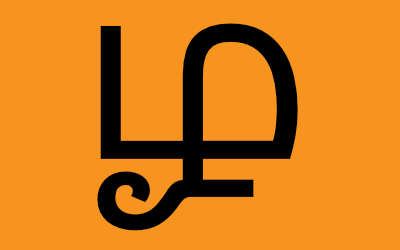
The Beauty of ழ (Zha): Mastering Tamil's Most Unique Sound
If there is one sound that truly distinguishes Tamil from many other languages, it is the pronunciation of the letter ழ. Often transliterated as 'zha', this unique sound is a hallmark of a fluent speaker and a beautiful part of the language's phonetic richness. For new learners, it can be a challenge, but with a little understanding and practice, you can master it.
1. Understanding the Sound (It's Not 'La' or 'Ra')
The letter ழ represents a retroflex approximant. That's a technical way of saying you need to curl the tip of your tongue back towards the roof of your mouth (the hard palate) and release air without creating the hard stop of a 'd' or the trill of an 'r'. It's a liquid, flowing sound.
Think of it as starting to say the English 'r' sound, but instead of stopping, you let your tongue glide backward. It's the sound you hear in the word "Ta-mi-zh".
2. The Technique: How to Position Your Tongue
1. Start by saying the English word "oil". Pay attention to where
your tongue is at the end of the word for the 'l' sound.
2.
Now, from that position, curl the very tip of your tongue backward
as far as it can comfortably go, aiming for the center of the roof
of your mouth.
3. Release a voiced sound (use your vocal
cords) as you let your tongue gently fall back to its resting
position.
This gliding, voiced sound is the essence of ழ.
3. Practice with Key Words
The best way to learn is by practicing with common words. Repeat these out loud, focusing on the ழ sound:
- பழம் (paḻam) - Fruit
- தமிழ் (tamiḻ) - Tamil
- மழை (maḻai) - Rain
- வாழைப்பழம் (vāḻaippaḻam) - Banana
4. Don't Worry About Perfection at First
Native speakers will understand you even if your ழ is not perfect. Many will appreciate the effort you're making to pronounce it correctly. The goal is clear communication, and perfection will come with time and listening to native speakers. Keep practicing, and soon this beautiful sound will become a natural part of your Tamil vocabulary.